 RFID4U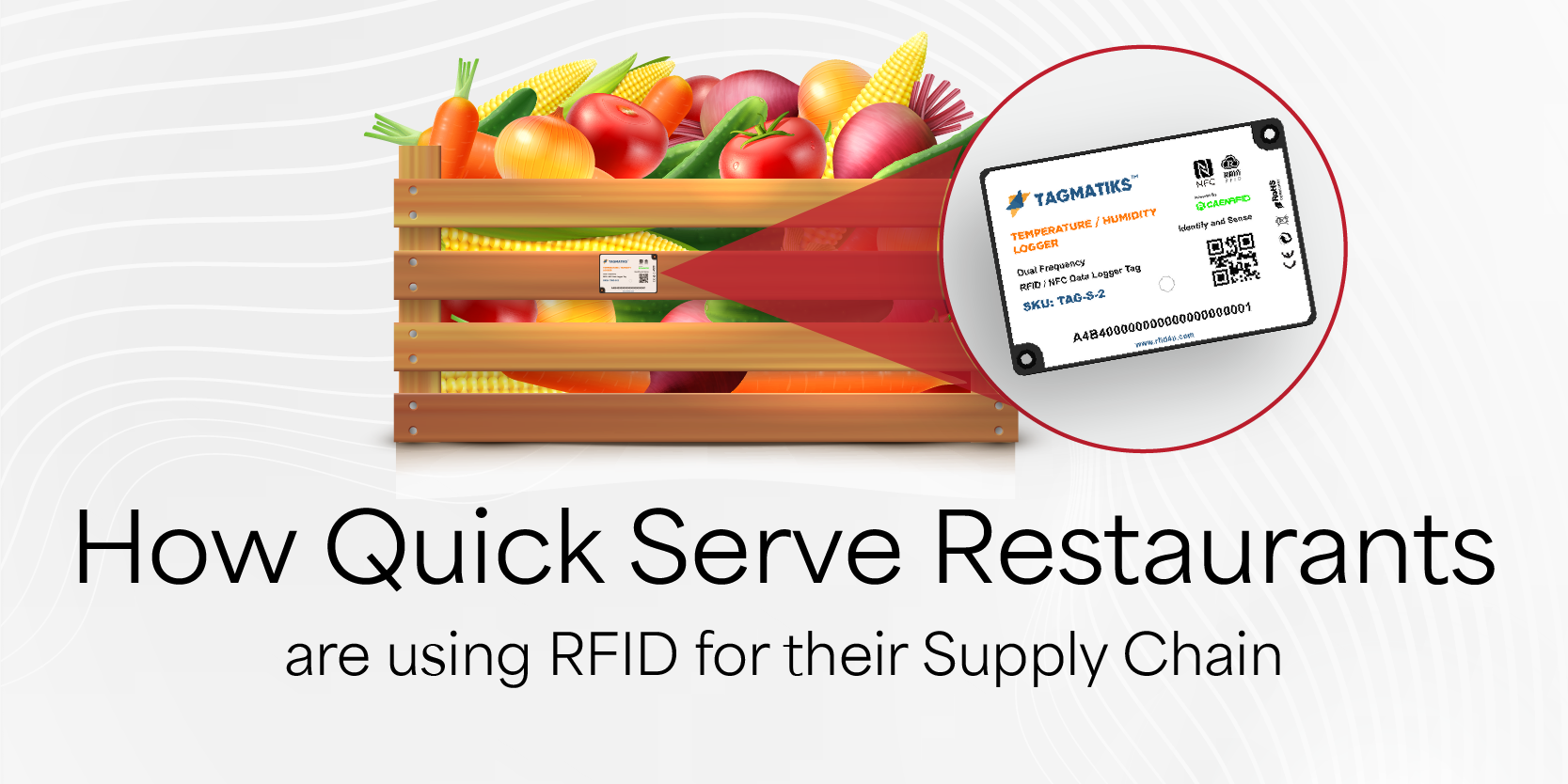
Quick serve restaurants or QSR are fast food restaurants that specialize in serving food to customers in a matter of minutes. To provide such a speedy service, restaurants need to have better control and visibility of their supplies. Due to convenience and affordability this industry is growing rapidly. With the increased consumer demand and need to serve the customers as quickly as possible it is facing a lot of issues.
Problems like damaged batches, expired products, stockouts, inaccurate shipments, and surpluses due to restaurant inventory error can lead to losses in the business. To tackle these problems, QSRs are increasingly using radio-frequency identification (RFID) technology in their supply chains. RFID allows for improved inventory management, enhanced product tracking, and streamlined supply chain operations.
With procedures that increase efficiency at every stage of the supply chain, from distribution facilities to the point where food is delivered, RFID is enabling the industry to enhance both back-end and front-end operations.
RFID is proving to be beneficial for the QSR’s in the following ways:
1. Inventory Management:
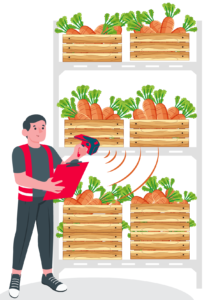
In any restaurant, managing inventory items including raw items takes a lot of time, especially if it is stored at multiple locations. RFID tags are attached to products, cases, and pallets, enabling the businesses to count inventory quickly and accurately. It not only cuts down the inventory time but also allows you to keep track of what products are in stock and when they need to be restocked.
2. Quality Control:
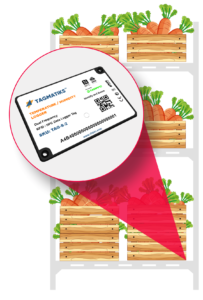
RFID can be used to monitor the temperature, freshness, and other conditions of products in transit, ensuring that they remain within acceptable ranges. RFID technology allows for the quick identification of impacted products in the case of a recall or safety concern about food. RFID technology can also help you track expiration dates of food products and reduce the risk of serving unsafe or spoiled food to customers.

3. Product Traceability in Supply Chain:
It allows QSRs to track the movement of products through the supply chain in real- time. This helps to optimize inventory management and ensure timely delivery of goods. RFID tags can be used to track products from the point of origin to the QSR location. This provides greater visibility into the supply chain and helps to ensure product authenticity.
According to research published by the National Restaurant Association, 96 percent of operators experienced supply delays or shortages of key food or beverage items in 2021. These challenges are expected to continue, and managing inventory is essential for quick serves to optimize the supplies they receive. With a significant amount of perishable stock, restaurants need to remain on top of their inventory to avoid wastage. However, these checks are typically completed manually, which is time-consuming and creates the potential for human error.
How You Can Use RFID4U’s Software Applications in the Quick-Service Restaurants Industry
Our RFID systems support business owners by giving them access to a variety of information, including automating inventory freshness and count levels using RFID technology.
RFID handheld readers can count all the products in a batch fast and accurately.
RFID Tags are used to identify the complete inventory and are specially designed to withstand wear and tear, harsh environment and extreme temperatures. (Think about items that may be stored in a freezer!)
TagMatiks Wedge to collect RFID tag data and feed that data to your backend systems. The solution is available as an easy to download application for both iOS and Android directly from the iOS App Store and Google Play Store.
Frequently Asked Questions
Why are quick-serve restaurants adopting RFID?
How does RFID improve food safety?
Can RFID streamline restaurant supply chains?
Which assets can restaurants track with RFID?
- Perishable food items
- Packaging materials
- Kitchen equipment
- Uniforms and reusable containers
- Delivery assets like trays and carts