 RFID4U
RFID Tags & Labels: The Ultimate Guide for Inventory, Supply Chain & Asset Tracking
RFID tags and labels are essential components of any modern asset-tracking or inventory-management system, enabling fast, accurate, and automated identification of items across industries. Whether you need durable hard tags for challenging environments or flexible RFID labels for everyday applications, understanding the different types, materials, and performance factors will help you choose the right solution. This guide provides a clear overview of how RFID tags and labels work, their benefits, and how to select the best option for your specific use case.
Understanding RFID Tags and Labels
Types, Uses, and Key Features

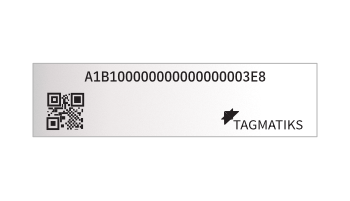
What are RFID Tags?
RFID tags and labels are attached to assets and inventory items to provide operational visibility. They are “read” by RFID readers and antennas and have a unique identification to be able to associate that RFID tag to another item.
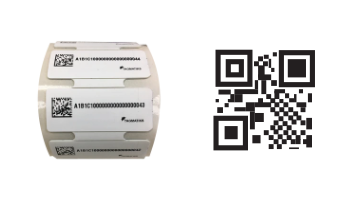
Benefits of Using RFID Tags vs Barcodes
RFID tags can be bulk read by RFID readers meaning that you can read many at a time as opposed to one by one. RFID tags also often do not require line of site which helps save time.
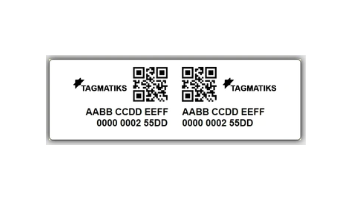
What RFID Tags Are Best?
The selection of an RFID tag truly depends on the application. To help with making this decision, check out the resources section below.
Things You Should Know About RFID Tags?
The environment you are using the RFID tag can impact the read distance. Certain materials like metal and liquids are especially prone to this behavior. However, there are specialty RFID tags for these materials such as On Metal RFID Tags for metal and Flag and Hang tags for liquid.