 RFID4U
Introduction
Running a garden center is rewarding but challenging. From plants and pots to soil, fertilizers, and seasonal items, inventory often comes in bulk and changes quickly with the seasons. Managing all of this manually can be overwhelming.
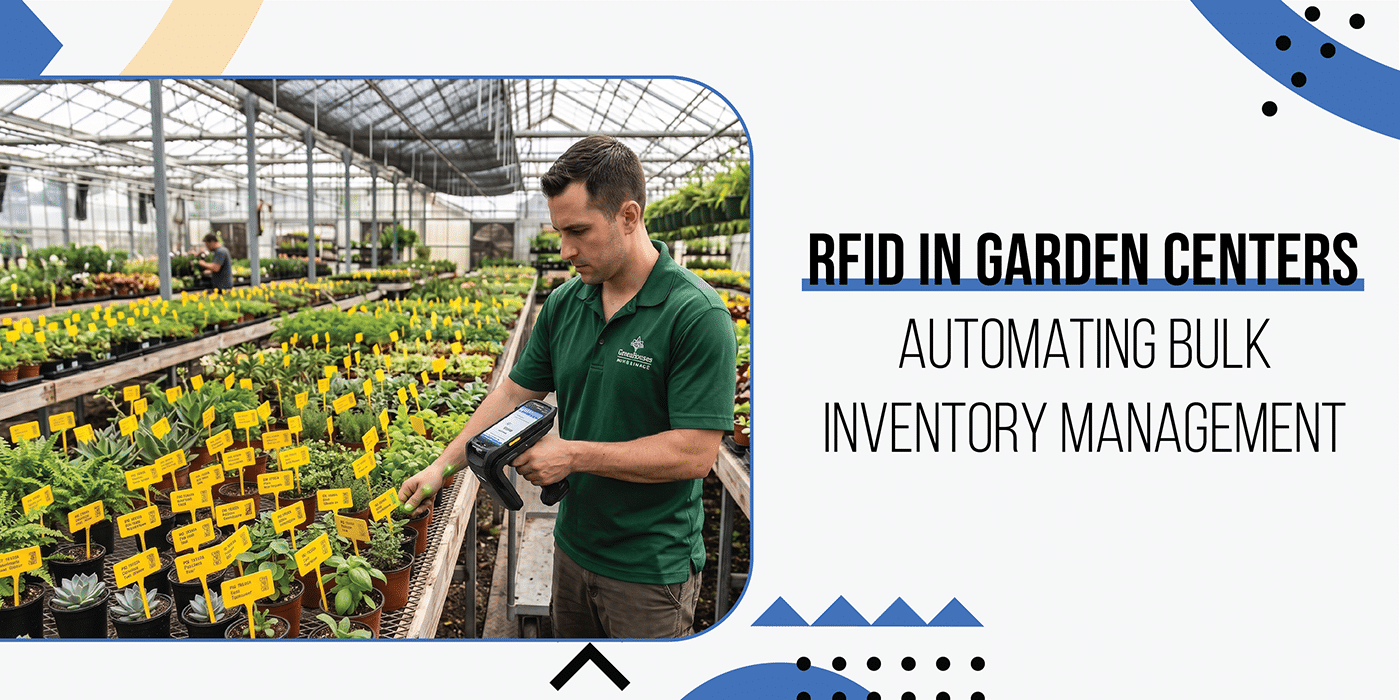
This is where RFID technology comes in. RFID uses small tags and scanners to track items automatically, making inventory management faster and more accurate. For garden centers, automation means fewer errors, saved time, and happier customers.
The Current State of Inventory Management in Garden Centers
Most garden centers still rely on manual tracking methods like paper logs, spreadsheets, or barcode scanning. While these systems work, they come with challenges:
- Misplaced items: Plants or tools often get lost in large spaces.
- Seasonal demand fluctuations: Spring and holiday seasons bring sudden spikes in stock.
- Labor-intensive stock counts: Counting hundreds of pots or soil bags takes hours.
These issues affect profitability and customer satisfaction. A shopper who can’t find what they need may leave empty-handed.
How RFID Works in Garden Centers
RFID technology offers garden centers a smarter way to handle inventory. By attaching RFID tags to plants, pots, pallets, or soil bags, staff can track items without the need for manual scanning. RFID readers capture data from multiple items at once, even if they’re not in direct view, and instantly update stock levels in the system. This real-time visibility reduces errors and saves time compared to traditional barcodes, which require individual scans. With RFID, garden centers gain speed, durability, and accuracy, making bulk inventory management far more efficient.
Benefits of RFID for Bulk Inventory Management

Efficiency gains
RFID speeds up inventory checks, allowing garden centers to complete stock counts in minutes instead of hours. This reduces labor costs and frees staff to focus on customer service and plant care.
Accuracy improvements
Automated tracking minimizes human error, ensuring records are precise. Accurate data helps managers make better decisions about ordering, stocking, and sales forecasting.
Loss prevention
RFID helps track valuable plants, tools, and equipment. By monitoring movement and location, garden centers can reduce theft and misplaced items, protecting profits.
Customer experience
With real-time inventory updates, customers can easily find what they need. Checkout becomes faster and smoother, improving satisfaction and encouraging repeat visits.
Sustainability
RFID reduces reliance on paper logs and manual processes. By streamlining supply chains, garden centers cut waste and operate more sustainably, aligning with eco-friendly practices.
Practical Applications in Garden Centers
RFID can be applied in many ways:

Plant tracking
RFID tags help monitor plant growth cycles and sales trends, giving garden centers clear insights into which plants are thriving and which need restocking.
Bulk soil and fertilizer
Heavy, high‑volume items like soil and fertilizer can be tracked effortlessly, reducing manual effort and ensuring accurate stock levels.
Seasonal stock
RFID automates inventory during busy seasons, helping garden centers manage sudden demand spikes without losing track of fast‑moving products.
Tool rentals
Borrowed tools and equipment are easily tracked, preventing losses and ensuring customers return items on time.
Implementation Strategy for RFID
To adopt RFID successfully, garden centers should:
Choosing RFID tags: Select durable, weather‑resistant tags that can withstand outdoor conditions, ensuring reliable tracking across plants, soil bags, and tools.
System integration: Connect RFID with POS and ERP systems to create seamless data flow, enabling real‑time updates and better decision‑making.
Staff training: Provide hands‑on training so employees feel confident using RFID tools, ensuring smooth adoption and consistent results.
Cost and ROI analysis: Evaluate upfront costs against long‑term savings, reduced losses, and improved efficiency to confirm the investment delivers measurable value.
Future of RFID in Garden Centers
The future of RFID in garden centers is full of exciting possibilities. With IoT integration, smart sensors could connect watering systems directly to inventory, ensuring plants receive care while stock levels stay updated. AI-driven analytics will help predict demand, optimize stock, and reduce waste. Beyond traditional garden centers, RFID could expand into smart greenhouses and urban farming, supporting sustainable agriculture practices. These innovations promise greater efficiency, smarter resource use, and a more eco-friendly future for plant retail and cultivation, making RFID a cornerstone of modern garden management.
Conclusion
RFID is reshaping how garden centers handle bulk inventory by making processes faster, more accurate, and less labor-intensive. With real-time tracking, businesses can reduce errors, save valuable staff time, and provide customers with a smoother shopping experience. Beyond efficiency, RFID also supports sustainability by cutting down on paper use and optimizing supply chains.
For garden centers aiming to stay competitive and grow in a dynamic market, adopting RFID solutions is more than a technological upgrade—it’s a smart investment in the future of retail and sustainable agriculture.