 RFID4U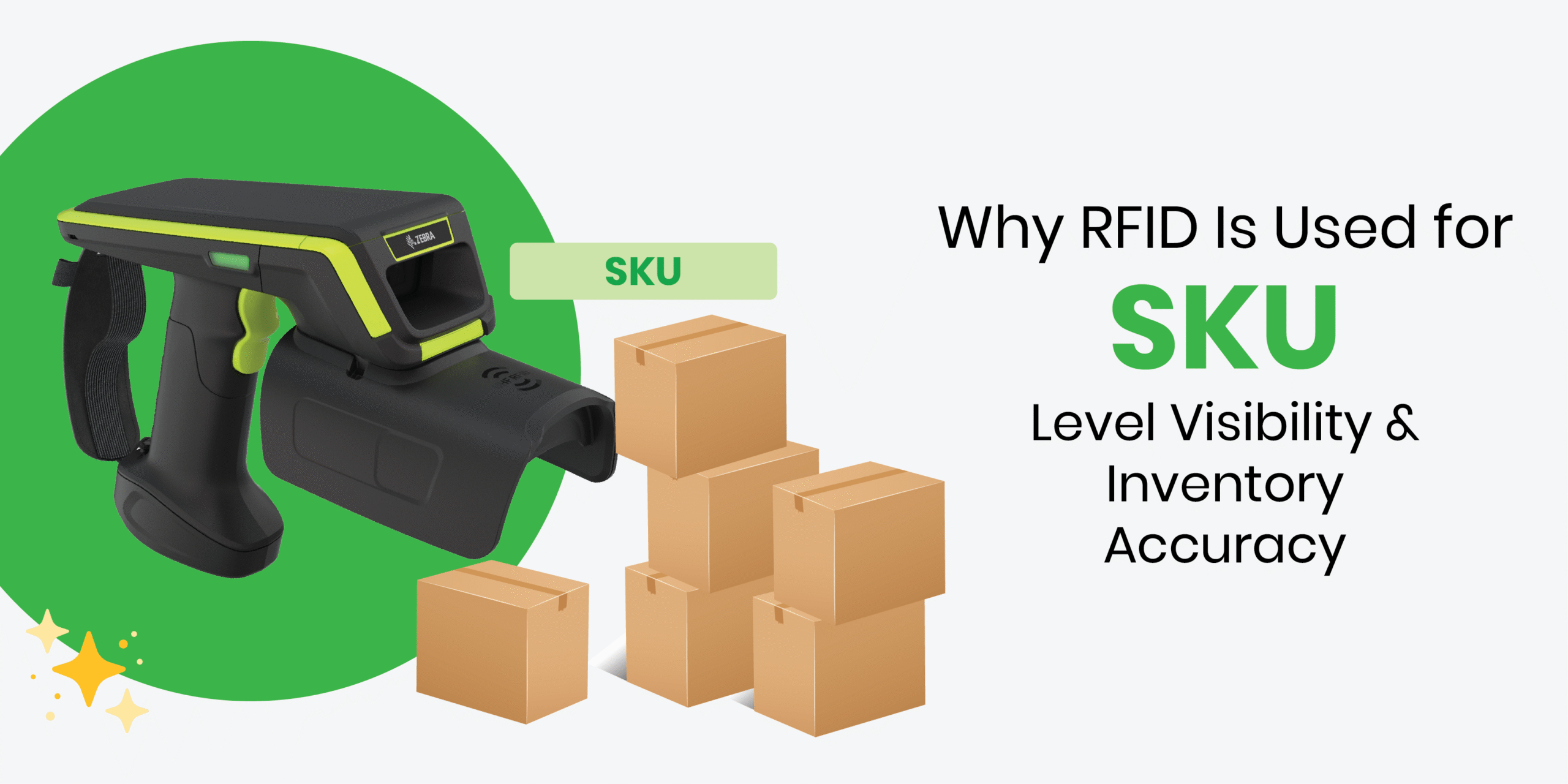
The Backbone of Modern Supply Chains
Radio Frequency Identification (RFID) has emerged as a transformative force in supply chain and inventory management, especially at the SKU (Stock Keeping Unit) level. By enabling real-time, item-level tracking, RFID empowers businesses to achieve unprecedented levels of inventory accuracy, operational efficiency, and customer satisfaction. This article explores the depth and breadth of RFID’s role in SKU-level visibility, its architecture, benefits, challenges, and future outlook.
What Is SKU-Level Visibility?
SKU-level visibility refers to the ability to track and monitor individual items (each with a unique SKU) across the supply chain—from manufacturing and distribution to retail shelves and customer hands. Unlike traditional barcode systems, which require line-of-sight and manual scanning, RFID enables automated, non-line-of-sight identification of items using radio waves.
RFID Architecture for SKU-Level Tracking
A typical RFID system for SKU-level visibility includes:
- RFID Tags: Embedded with a unique EPC (Electronic Product Code), often using chips like Impinj M730, Impinj 710, Impinj Monza series, etc. for high-speed reads and memory efficiency.
- RFID Readers: Fixed, handheld, or tunnel-based readers that capture tag data in real time.
- Antennae: Strategically placed to optimize read zones in warehouses, stores, or transit points.
- Middleware & Integration Layer: Connects RFID hardware to enterprise systems like WMS, ERP, or CDPs.
- Data Analytics & Dashboards: Provide SKU-level insights, alerts, and predictive analytics.
Key Benefits of RFID at the SKU Level
- Inventory Accuracy of 95–98%: Compared to 60–80% with manual or barcode systems.
- Real-Time Visibility: Track items across DCs, stores, and e-commerce channels with minimal latency.
- Reduced Shrinkage: Enhanced security and traceability deter theft and misplacement.
- Faster Cycle Counts: RFID enables cycle counts in minutes instead of hours or days.
- Omnichannel Fulfillment: Accurate stock data supports BOPIS, ship-from-store, and same-day delivery models.
- Labor Efficiency: Reduces manual scanning and human error, freeing staff for higher-value tasks.

Use Cases of RFID at the SKU Level Across Industries
Retail
- Real-time shelf replenishment
- Automated checkout and returns
- Loss prevention and anti-counterfeiting
Manufacturing
- Work-in-progress (WIP) tracking
- Component-level traceability
- Quality control and compliance
Logistics & Warehousing
- Dock door validation
- Automated put-away and picking
- Cross-docking and load verification
Healthcare
- Medication and equipment tracking
- Expiry and recall management
Implementation of RFID for different SKUs.
- Start with High-Impact SKUs: Focus on high-value, high-velocity, or high-risk items.
- Use Pre-Encoded Tags: Reduces encoding errors and speeds up deployment.
- Design Shielded Zones: Use RFID shielding boxes or tunnels to prevent stray reads.
- Integrate with ERP/WMS: Ensure seamless data flow and decision-making.
- Pilot, Scale, Optimize: Begin with a pilot, measure KPIs, and scale based on ROI.

Future Trends of SKU tracking
- AI-Driven Inventory Forecasting: Combining RFID data with AI for predictive replenishment.
- IoT Integration: RFID + sensors for temperature, humidity, and shock monitoring.
- Blockchain for Provenance: Immutable SKU-level traceability across global supply chains.
- Sustainability Metrics: RFID enables circular economy models like resale, rental, and recycling.
Conclusion
RFID at the SKU level is no longer a luxury—it’s a competitive necessity. From retail to healthcare, it delivers the visibility, accuracy, and agility required in today’s dynamic supply chains. As RFID technology becomes more affordable and intelligent, its role in driving SKU-level excellence will only deepen.