 RFID4U
Introduction
In today’s digital economy, organizations are constantly looking for ways to improve operational efficiency, reduce human error, and gain real-time visibility into their assets. One of the most effective technologies for achieving this is Radio Frequency Identification (RFID).An RFID-based asset tracking system allows businesses to identify and track assets with minimal manual intervention automatically.These systems are widely used across industries such as manufacturing, logistics, healthcare, IT, and retail.
This comprehensive guide will walk you through every aspect of building an RFID asset tracking system, from understanding the core components to selecting the right hardware and software, setting up infrastructure, and ensuring successful implementation.
What is an RFID asset tracking system?
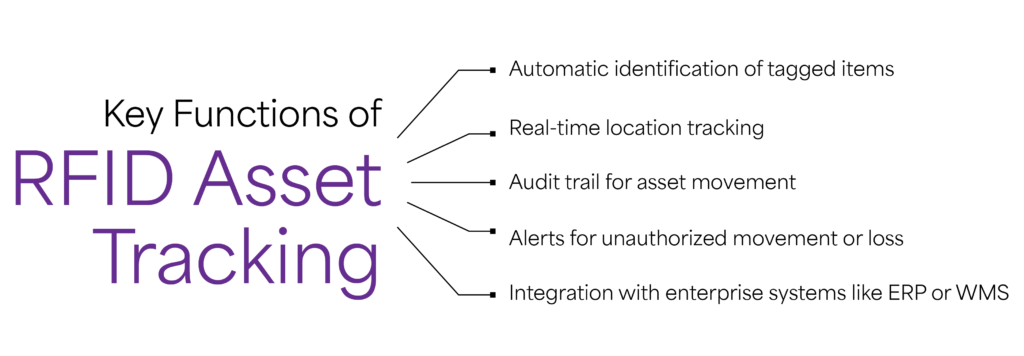
Key Functions of RFID Asset Tracking
- Automatic identification of tagged items
- Real-time location tracking
- Audit trail for asset movement
- Alerts for unauthorized movement or loss
- Integration with enterprise systems like ERP or WMS
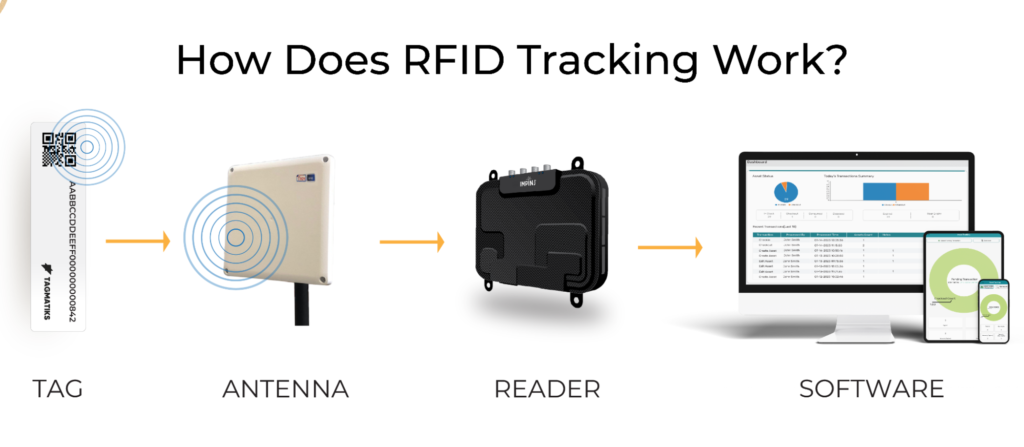
Core Components of an RFID Asset Tracking System
These are small electronic devices attached to assets. They consist of a microchip and an antenna and can be classified as:
- Passive Tags: No battery; activated by reader signal. Ideal for cost-effective, short-to-mid range tracking.
These devices transmit signals to tags and receive tag responses.
- Handheld Readers: Portable, used for manual scanning or audits.
- Fixed Readers: Mounted in specific locations like doorways or production lines for automatic tracking.
- Integrated Readers: Include antennas, processors, and connectivity in one compact unit.
RFID Antennas emit RF signals and receive tag responses. The number and placement of antennas affect read range and accuracy.
Middleware & Software
Middleware filters and processes raw RFID data, while the software provides interfaces for asset visibility, reporting, and integration.
Networking & Power
To ensure connectivity between readers and systems, a reliable network (wired or wireless) and a stable power supply are essential.
Planning the RFID Asset Tracking System
Define Business Objectives
Start by identifying why you need RFID. Common goals include:
- Real-time visibility of assets
- Reducing loss and theft
- Automating asset audits
- Compliance with regulations
Perform Asset Audit
List all the assets you want to track: equipment, tools, pallets, IT assets, etc. Note their material type, location, and mobility.
Identify Tracking Locations
Map the facility to determine where assets are stored, moved, or used. Consider:
- Entry/exit points
- Storage areas
- Operational zones
- Transition points
Assess Environmental Factors
Metal surfaces, liquids, and interference can affect RFID performance. Choose tags and readers suited to the operating environment.
Choosing the Right RFID Hardware
Selecting RFID Tags
Consider:
- Form Factor: Label, card, hard tag
- Mounting Type: Adhesive, screw, strap
- Durability: Temperature, water, impact resistance
- Memory: Read-only vs. read-write
- Range Requirements: Passive for <20 ft, active for >100 ft depend upon the read environment.
Popular brands: Zebra, Confidex, TagMatiks
Choosing RFID Readers
- Handheld: Ideal for periodic audits. Example: Zebra RFD40, Impinj R700 with mobile sled.
- Fixed: Continuous tracking. Choose based on the number of ports, range, and protocols supported.
- Integrated: Easier setup, used for zones with fewer devices.
Antenna Selection
Directional vs. omnidirectional antennas: the number depends on the area size and read zones.
Designing the System Architecture
System Design Considerations
- Read Zones: Define where and when assets will be read.
- Data Flow: Determine how data moves from tags to software.
- Integration Points: Identify if data should feed into ERP, inventory, or security systems.
Infrastructure Layout
Create a floor plan showing:
- Tag placement
- Reader and antenna positions
- Network and power connections
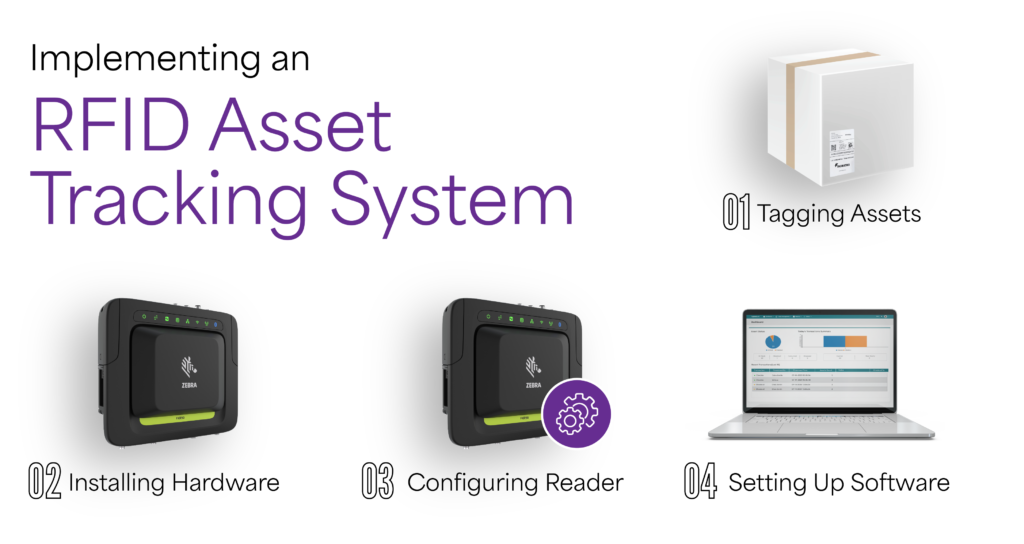
Implementing the RFID Asset Tracking System
Tagging Assets
- Clean the asset surface before applying RFID tags
- Use epoxy or rivets for rugged environments
- Associate the tag ID with asset metadata in the system
Installing Hardware
- Mount antennas at optimal height and angle
- Test read ranges to avoid dead zones
- Secure cabling and power supplies
Configuring Readers
- Set power levels and read intervals
- Define filtering logic to reduce duplicate reads
- Enable data encryption if required
Setting Up Software
Choose between:
- On-premises RFID asset tracking software :better control in regulated industries or cloud-based options for easier deployment.
- Cloud-Based RFID Software: Easier deployment, remote access, automatic updates.
Middleware Setup
Middleware processes raw tag reads and passes useful data to applications. Functions include:
- Event filtering
- Time stamping
- Location calculation
- Duplicate removal
Integration with Other Systems
ERP and Inventory
Integrate with systems like SAP, Oracle, Microsoft Dynamics to automate inventory updates and financial tracking.
WMS & Logistics
Track movement of goods across warehouses, streamline order fulfillment, and reduce misplaced item
Testing and Calibration
Test Scenarios
- Read accuracy and range validation
- Movement simulation
- High-volume asset scanning
- Interference and false positive analysis
Calibrate System
- Adjust antenna angles and reader power
- Add shielding if needed (especially around metal or liquids)
- Improve tag placement strategy
Training and Rollout
Staff Training
Train the staff or users on:
- Tagging procedures
- Using handheld readers
- Interpreting reports
- Troubleshooting common issues
Phased Rollout
Begin with a pilot program in one area, evaluate performance, and scale gradually.
Maintenance and Optimization
Hardware Maintenance
- Regularly check the reader and antenna connections
- Replace damaged tags
- Clean devices periodically
Software Updates
Keep software and firmware up to date to fix bugs and add new features.
System Audits
Run regular audits to verify that assets are tagged and tracked correctly.
Ongoing Costs
- Tag replacements
- Software subscriptions or support
- Maintenance labor
- Integration fees
Cost will vary based on scale, environment, and software choice.
Common Challenges and How to Overcome Them
Tag Read Failures
- Use proper tags for the environment
- Adjust antenna positions
Data Overload
- Implement filtering in middleware
- Only store necessary data
Integration Difficulties
- Use standard APIs
- Partner with experienced integrators
Use Cases Across Industries
Manufacturing
Track tools, parts, and WIP inventory in real-time.
Healthcare
Manage medical equipment, track high-value assets, and improve compliance.
Healthcare
Manage medical equipment, track high-value assets, and improve compliance.
Retail
Automate inventory audits and improve loss prevention.
IT and Data Centers
Track laptops, servers, and IT peripherals for better asset management.
Construction
Track heavy equipment, tools, and site materials across multiple locations.
Conclusion
Building a reliable framework for asset tracking using RFID can dramatically improve operational efficiency, reduce asset loss, and provide real-time visibility across your organization. By carefully planning your system, selecting the right hardware and software, and executing a phased implementation, you can create a reliable and scalable solution tailored to your business needs.
Whether you’re starting with a pilot project or rolling out enterprise-wide, the key to success lies in understanding your assets, testing thoroughly, and ensuring system integration aligns with your workflows. With proper execution, RFID can deliver a strong ROI and become a foundational tool in your asset management strategy.